Logo Printing on Stainless Steel Tumblers: Which Method Is Actually Worth the Money at Scale
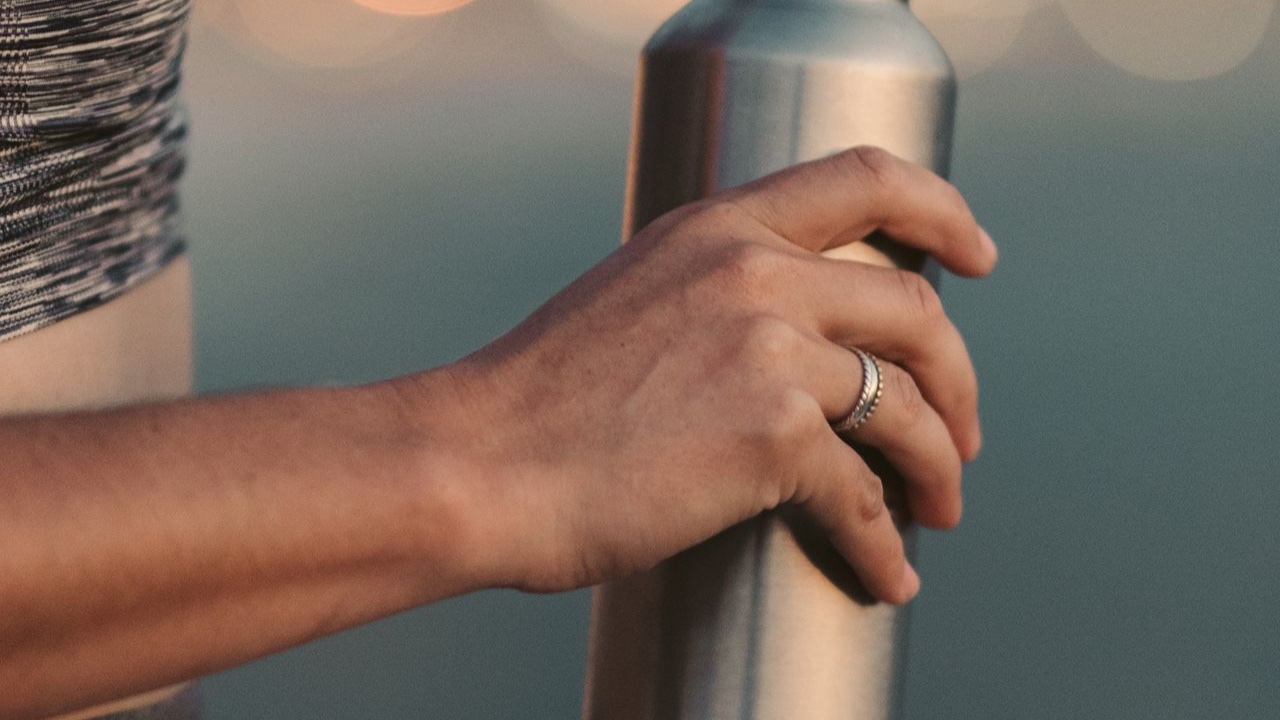
When I first started sourcing custom drinkware, I assumed the printing method was mostly an aesthetic decision — pick the look you want and move on. After a few orders and a couple of expensive mistakes, I realized the choice between laser engraving, screen printing, and sandblasting is less about appearance and more about what happens to the finish six months into real use. The difference shows up after the tumblers have been through a dishwasher fifty times, or after they’ve been sitting in a bag with keys and loose change for a year.
Here’s how I think about the tradeoff now, specifically for wholesale quantities where the cost per unit actually matters.
Laser Engraving: The One You Default to When You Can Afford It
Laser engraving removes a thin layer of the stainless steel surface to create the design. There’s no ink, no coating, no anything — just the bare metal where the laser has passed. The result is permanent in a way that screen printing and sandblasting aren’t. You could run a laser-engraved tumbler through a commercial dishwasher every day for five years and the logo would look the same.
The downside is that it’s monochromatic. You get the contrast between the engraved area (lighter, matte) and the surrounding surface (polished or brushed), but you can’t get a red logo or a gradient. For brand logos that work in a single color — which is most of them when you strip out the decorative elements — this usually isn’t a problem.
At wholesale volumes, laser setup is per-file rather than per-color, which means a complex single-color logo costs about the same as a simple one. That’s different from screen printing, where complexity adds screens.
The per-unit cost of laser is higher than screen printing at the same quantity, but the durability math often flips the calculation when you factor in replacement rates. If your buyer is handing these out as corporate gifts or retail items and expects them to last, laser is the defensible choice.
Screen Printing: Cheapest Per Unit, but Read the Fine Print
Screen printing puts ink on the surface of the tumbler and cures it with heat. It’s the lowest per-unit cost at volume — typically the cheapest option once you’re past 500 units — and it’s the only method that gets you full color, including whites and gradients.
The catch is durability. Ink on a stainless surface is always going to be more vulnerable than engraved metal, regardless of how good the curing process is. Dishwasher heat and detergent accelerate fade; so does UV exposure for tumblers that end up outdoors. Most suppliers will describe their screen printing as “dishwasher safe,” and technically it is — it won’t peel immediately. But “dishwasher safe” and “looks good after 200 dishwasher cycles” are different claims, and you should ask specifically about the latter.
For tumblers wholesale orders where the end use is promotional — a trade show giveaway, a one-season campaign — screen printing makes sense. The tumblers aren’t expected to last five years, and the cost savings at volume are real. For retail products or corporate gifts where the tumbler represents the brand long-term, the calculus shifts.
One thing worth asking: whether the supplier prints on the powder coat layer or directly on bare stainless. Ink adheres better to powder coat and the durability is meaningfully higher, but it adds a step and a cost. Some suppliers default to direct-on-metal printing unless you specify otherwise.
Sandblasting: Underused and Often the Right Answer for Texture
Sandblasting (also called bead blasting) uses abrasive particles to create a matte, frosted texture on the surface. It’s usually applied as a background treatment rather than a logo method — you sandblast the whole tumbler or a panel area to create contrast with a polished logo, or you mask the logo area and sandblast around it.
What it does well: the matte finish hides fingerprints and minor scratches better than a polished surface, which means the tumbler looks newer longer in day-to-day use. The texture is also distinct in a way that photographs well for product listings. For brands that want something that reads as premium without going full laser-on-polished-steel, sandblast plus a simple debossed or engraved logo is a combination that works.
Durability is good because you’re altering the surface texture rather than adding material on top of it. It won’t fade or peel. The limitation is design flexibility — sandblasting is a surface treatment, not a precision printing method, so fine detail doesn’t translate well.
At wholesale quantities, sandblasting adds cost but usually less than the premium for full laser. If the tumbler design leans more toward texture and feel than logo precision, it’s worth pricing out.
How I Actually Decide
The question I start with is: what happens to this tumbler after the buyer gets it?
If it goes into daily personal use — a gym bag, an office desk, a kitchen cabinet — laser is worth the premium because it holds up over years of handling. If it’s promotional and the useful life is measured in months rather than years, screen printing at volume saves money without a meaningful quality penalty for the actual use case. If the brand identity relies more on feel and tactile quality than logo precision, sandblasting as a surface treatment with simple engraving on top is a combination that differentiates on the shelf.
The other thing I check before committing is the supplier’s sample policy. With printing method decisions, a pre-production sample is not optional — the difference between a supplier’s description of their laser finish and the actual result can be significant. Any supplier worth working with at wholesale volume will provide a sample; if there’s resistance to that, it’s a signal worth paying attention to before you’re locked into an order.