How to Match FAE Mulcher Teeth to the Rotor Configuration You're Running
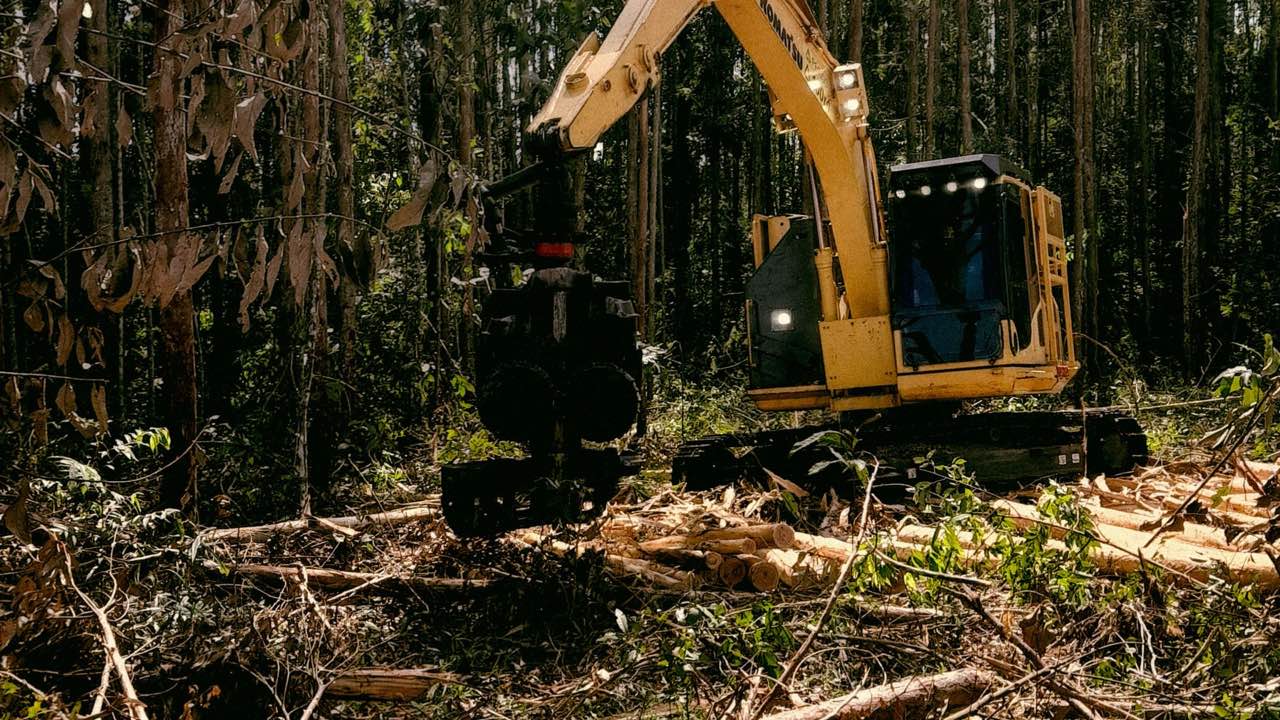
Teeth for FAE mulchers aren’t one-size-fits-all across rotor configurations. The same tooth spec that works well on one drum style can underperform on a different one, and operators who switch between configurations — or who take over a machine that’s been running whatever was available — often end up with teeth that aren’t quite right for what the rotor is doing. The mismatch usually shows up as shorter-than-expected tooth life or as fragmentation quality that’s not where it should be, and neither problem points obviously back to tooth selection as the cause.
Starting With the Rotor Type
FAE mulcher rotors differ in tooth count, tooth spacing, tip geometry, and the rotation speeds they’re designed to run. High-tooth-count rotors designed for fine mulch output run teeth at closer spacing and higher peripheral speed than lower-tooth-count rotors designed for aggressive brush clearing. The tooth sees different contact conditions on each — more frequent contacts per revolution at lower force on the dense rotor, fewer but harder contacts on the aggressive rotor.
A tooth spec optimized for the frequent-contact, lower-force environment of a fine-mulch rotor has geometry and carbide grade calibrated for abrasive wear from many light contacts. The same spec on an aggressive rotor takes harder individual hits and may fracture from impact loads it was never designed for. The reverse also applies: a tooth spec built for impact resistance on a heavy-duty rotor is over-engineered for fine-mulch work and costs more per hour of service than a grade that matches the actual loading.
The service manual or FAE’s technical documentation for the specific rotor model is the starting point for this — it specifies the tooth geometry and, in many cases, the carbide grade range appropriate for the rotor design. That specification reflects what the engineers who designed the rotor determined was appropriate for the contact conditions the rotor produces, and it’s worth understanding before substituting alternate teeth.
Geometry and Tip Profile
FAE mulcher teeth use different tip profiles depending on the cutting application. Conical profiles are common in applications where the rotor is working at lower depth and higher speed — the point geometry allows the tip to work into softer organic material efficiently. Chisel profiles appear in applications where the rotor needs to process harder or drier material that doesn’t respond as well to point loading.
Mismatching tip profile to application produces predictable problems. A conical tip running in the position and application where a chisel tip is called for wears the point down faster than intended and loses its cutting geometry earlier in its service life. A chisel tip in a conical application cuts less efficiently per tooth contact, generates more heat, and produces coarser fragmentation than the rotor is designed to deliver.
The tip profile should match the application the machine is being used for, not just the rotor model. A rotor that runs fine mulch on one job and heavy brush clearing on another may need different teeth for each application if the jobs are meaningfully different in material character. Operations that run one tooth spec year-round regardless of what’s being processed are typically leaving tooth life on the table in some conditions and running with suboptimal cutting performance in others.
Carbide Grade and Application Hardness
Within the tooth geometry that’s right for the rotor, carbide grade selection follows the abrasion and impact balance of the specific material. Softwood brush mulching — pine, fir, spruce in land clearing applications — is primarily an abrasive wear environment. The tips are processing relatively soft organic material at high contact frequency, and wear resistance is more important than toughness. A harder carbide grade with lower cobalt content delivers better service life in this environment.
Hardwood clearing — oak, hickory, maple stumps and root crowns — introduces more impact loading per tooth contact because the material density and resistance are higher. Hardwood also tends to be associated with more rock exposure in cleared land applications, particularly in agricultural fields where the brush is growing on previously tilled ground. A tougher grade handles the higher impact loading and occasional rock contact better than a wear-optimized grade, even if the per-shift abrasive wear rate is slightly higher.
Mixed applications — brush clearing that includes both wood and rock exposure, or forestry work where the machine may encounter embedded rock in addition to timber — favor a tougher grade as the conservative choice. A tooth that survives the worst event in the mix and runs slightly faster in the clean portions of the job is more cost-effective than a tooth that maximizes performance in the clean portions and fractures during the hard events.
Seat Condition and Tooth Fit
Teeth mount in holders or directly into seats on the rotor body, and the condition of the mounting interface affects how well the tooth performs regardless of how well the tooth spec is matched to the application. A worn seat allows the tooth to move under load, which changes the cutting angle from what the geometry specifies and produces accelerated wear on the face that bears the load unevenly.
FAE rotor seats should be inspected at each tooth change for wear, deformation, and damage from impact events. Seats that are out of spec need to be addressed before installing new teeth — a new tooth in a bad seat starts its service life with a geometry problem that shortened service life can’t be attributed to tooth quality.
For operations evaluating their current tooth spec or considering a change in grade or geometry, the FAE mulcher teeth product range covers FAE-compatible teeth across the configurations that see the most service. The selection process is more useful when it starts with the rotor model and the specific application rather than with price — a tooth that’s right for the application and lasts its intended service interval costs less per hour than a cheaper tooth that doesn’t.
Tracking to Confirm the Match
The confirmation that tooth selection is correct for the rotor and application comes from service interval data. If teeth are consistently reaching something close to their expected wear life before hitting discard size, and carbide is wearing rather than fracturing at removal, the selection is working. If teeth are fracturing, wearing significantly short of expected life, or developing unusual wear patterns, the selection probably needs adjustment.
Keeping a record of tooth life per application — not just overall consumption — makes this visible. A machine running mixed applications may be eating teeth efficiently in one application and burning through them in another, and without application-level tracking, the aggregate consumption numbers don’t show where the real problem is.