A Guide to TPU, CPV, and Reinforced Bases from a Duffle Bag Manufacturer
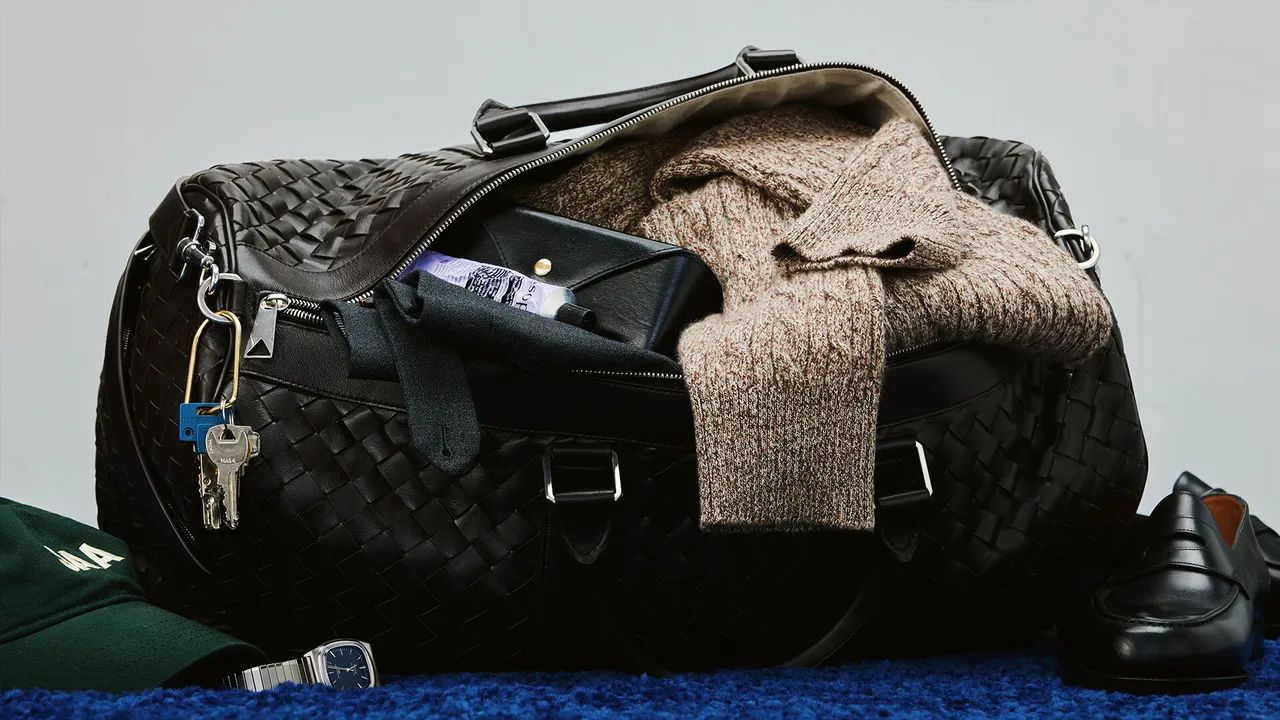
Duffle bags in today’s world are not mere fabric carriers anymore. They have to be tough enough to withstand all kinds of stresses and wear and tear, and not fail at their stitching points and bases. For fashion brands looking to have a duffle bag manufacturer make duffle bags, material selection is a critical aspect of product design. There are reasons behind using TPU, CPV, and base constructions in different duffle bags.
Why Material Choice Shapes Performance
It is the exterior of the bag that determines its resistance to rainfall, friction, and other factors, including its use in day-to-day activities. Some may be flexible but fragile under pressure, whereas others may be strong but bulky. When manufacturing travel duffle bags in bulk, factors such as strength and weight need to be considered.
TPU as a Protective Outer Layer
The materials chosen for this process are thermoplastic polyurethane, which exhibits good water resistance and durability. These materials may also be used as coatings to provide water resistance and maintain elasticity. Unlike the classic coating materials, which tend to crack when bent over time, TPU coating remains stable throughout many folds. The Everich products in which TPU is preferred include bags intended for outdoor wear.
CPV and Lightweight Flexibility
The advantage of CPV lies in its lightweight and soft handling. CPV provides a more pleasant touch because it does not feel as heavy as other coated textiles. Although CPV may lack the rigidity of TPU, it yields satisfactory results when reinforced. Waterproof duffel factory production lines find this an ideal choice for their manufacturing, as it enables them to produce lighter yet still protected bags.
TPU vs CPV in Real Use
When comparing these two materials, it must be noted that they do not compete with one another in the same way. The point is that TPU and CPV are targeted at different tasks; thus, they are often used together to reach a compromise between rigidity and flexibility, and lightness. Everich successfully uses this technique to combine these two materials in their gym and travel bags.
The Role of Coated Fabrics
Both of them use coating methods to attain these characteristics. The coating material determines the bag’s resistance to wear and tear and waterproofing. A thicker coating provides better protection but limits the material’s flexibility. A thin coating offers greater flexibility but less long-term protection, a trade-off considered when customizing heavy-duty gym bags.
Reinforced Base as Structural Support
The base of a duffle bag handles most of the load. It is subjected to great pressure when loaded. Lack of reinforcement may cause tearing of the base portion or sagging. Ensuring a solid base is crucial for even force distribution, especially in travel duffle bags used on rough surfaces such as airport floors and outdoor terrain.
Double-Layer Construction Methods
A common approach is a double-layer base construction. The outer layer handles abrasion, while the inner layer supports weight distribution. Between them, padding or structured support materials help maintain shape. Everich applies this structure in several duffel travel bag designs to improve load-bearing stability without making the bag overly rigid.
Stitching vs Heat Bonding
Stitching causes small punctures that may weaken with time. Heat bonding, on the other hand, decreases dependency on needle holes in crucial areas. This improves both water resistance and base strength. In waterproof duffel factory production systems, combining stitching with bonded reinforcement is often used to improve both durability and sealing.
Load Behavior During Travel
A duffle bag does not stay static during use. It is lifted, dragged, stacked, and compressed inside vehicles. These movements create uneven pressure across the base. Reinforced structures help prevent deformation when the bag is fully loaded. This becomes especially important in travel environments where handling is not controlled or predictable.
Choosing Materials Based on End Use
However, not all duffle bags require the same construction materials. For gym bags, one may need the flexibility and lightness of TPU, while for travel and outdoor duffle bags, waterproofing is important in addition to durability. The proper mix of materials ensures a genuinely useful product, not just one that incorporates unnecessary features.
Conclusion
The effectiveness of these three materials used in manufacturing duffle bags is dependent on TPU’s strength, CPV’s ease of handling, and reinforcement for structural stability. All these materials are necessary in ensuring that the resulting product lasts as expected, whether for sports, travel, or outdoor use. In this case, manufacturers like Everich and others in the duffle bag industry must consider these materials when designing duffle bags.